What Makes AI-Generated Art Feel ‘Human’
The Unexpected Emotion in Code At first glance, AI-generated art might seem like the opposite of human creativity. After all, how can something created by a machine feel intimate, emotional, or expressive? Yet, more and more people are hanging AI posters in their homes, not just because they’re trendy—but because they feel something when they…

The Unexpected Emotion in Code
At first glance, AI-generated art might seem like the opposite of human creativity. After all, how can something created by a machine feel intimate, emotional, or expressive? Yet, more and more people are hanging AI posters in their homes, not just because they’re trendy—but because they feel something when they look at them. That feeling, however surprising, is very real. And it’s changing how we understand the connection between technology and aesthetics.
Algorithms Trained on Us
One reason AI art feels so emotionally resonant is because it’s trained on the works of humans. Decades, even centuries, of artistic tradition—color theory, symbolism, visual rhythm—feed into the datasets that AI uses to create new images. In that sense, the machine isn’t making up visual language from scratch; it’s remixing human history, style, and imagination into something fresh.
But it’s more than just mimicry. When guided thoughtfully, the results can feel nuanced, atmospheric, even soulful. The image of a quiet mountain village at dusk, the distorted surrealism of a dreamlike portrait, or a whimsical take on mythological creatures—each of these can strike a chord, just like traditional artworks do.
Created with Intention
The “human” part of AI art doesn’t just come from the training data—it comes from the person guiding the process. A user selects the mood, the style, the theme. They may tweak prompts, iterate through versions, and choose the final result based on a personal aesthetic or emotional goal. That direction adds intent to the process. It becomes a kind of co-authorship between the artist and the machine.
This collaboration is why so many AI-generated prints resonate. They reflect something chosen, refined, and approved by someone with a vision. Even if the technical brushstrokes weren’t made by a human hand, the story behind the print was guided by one.
Ambiguity That Invites Feeling
One of the most curious traits of AI-generated art is how it often lands in a space between realism and abstraction. It may not be perfectly anatomically correct, or it might blend visual elements in ways that don’t exist in the physical world. But this ambiguity is what makes it interesting.
Just like abstract painting, surrealist collage, or impressionist landscapes, AI art often evokes emotion by suggestion rather than precision. It lets your brain fill in the gaps. You find yourself interpreting what a swirling light means, or why a character’s gaze looks so haunting. The less literal the image, the more room there is for feeling.
A New Kind of Warmth
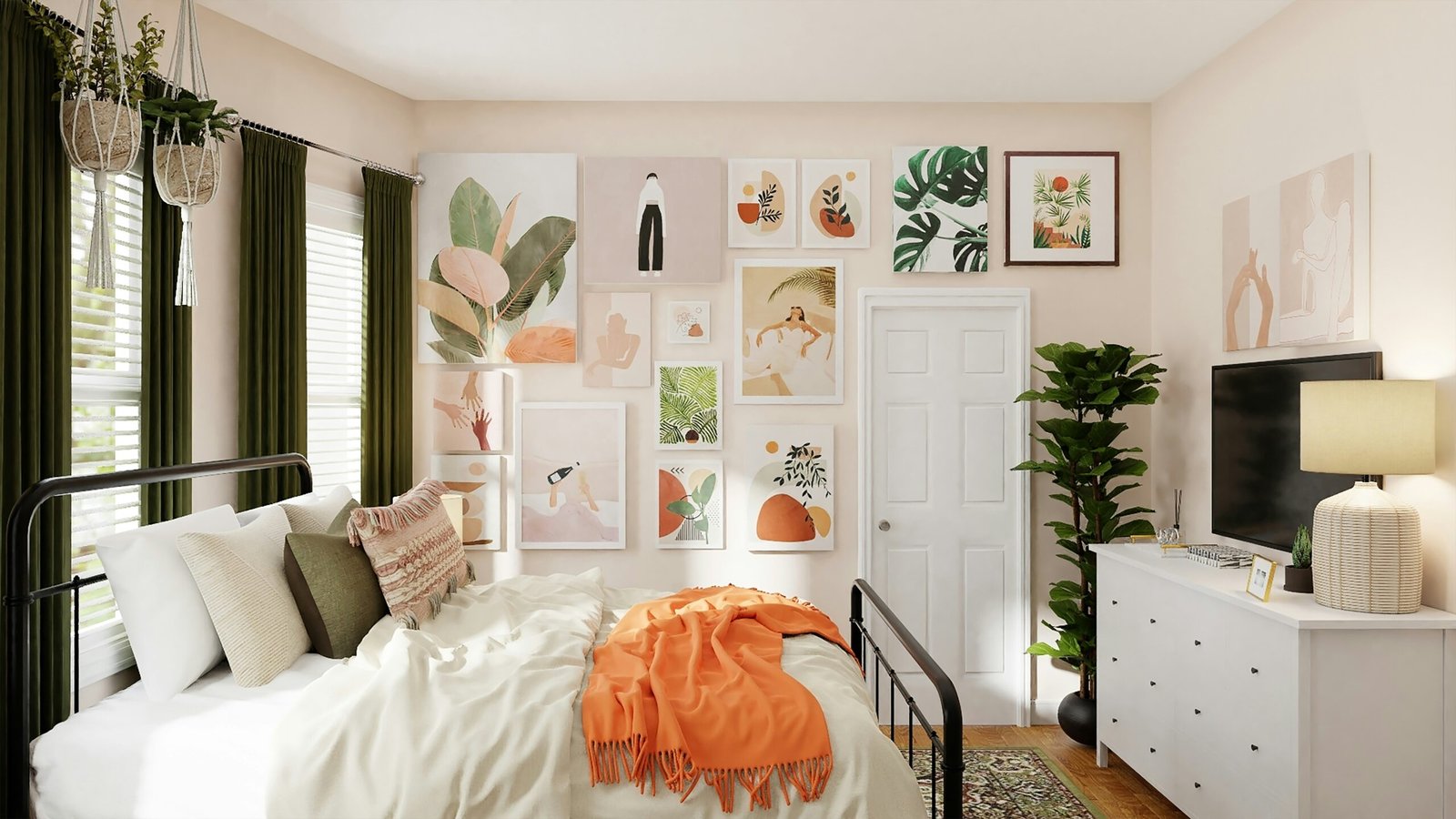
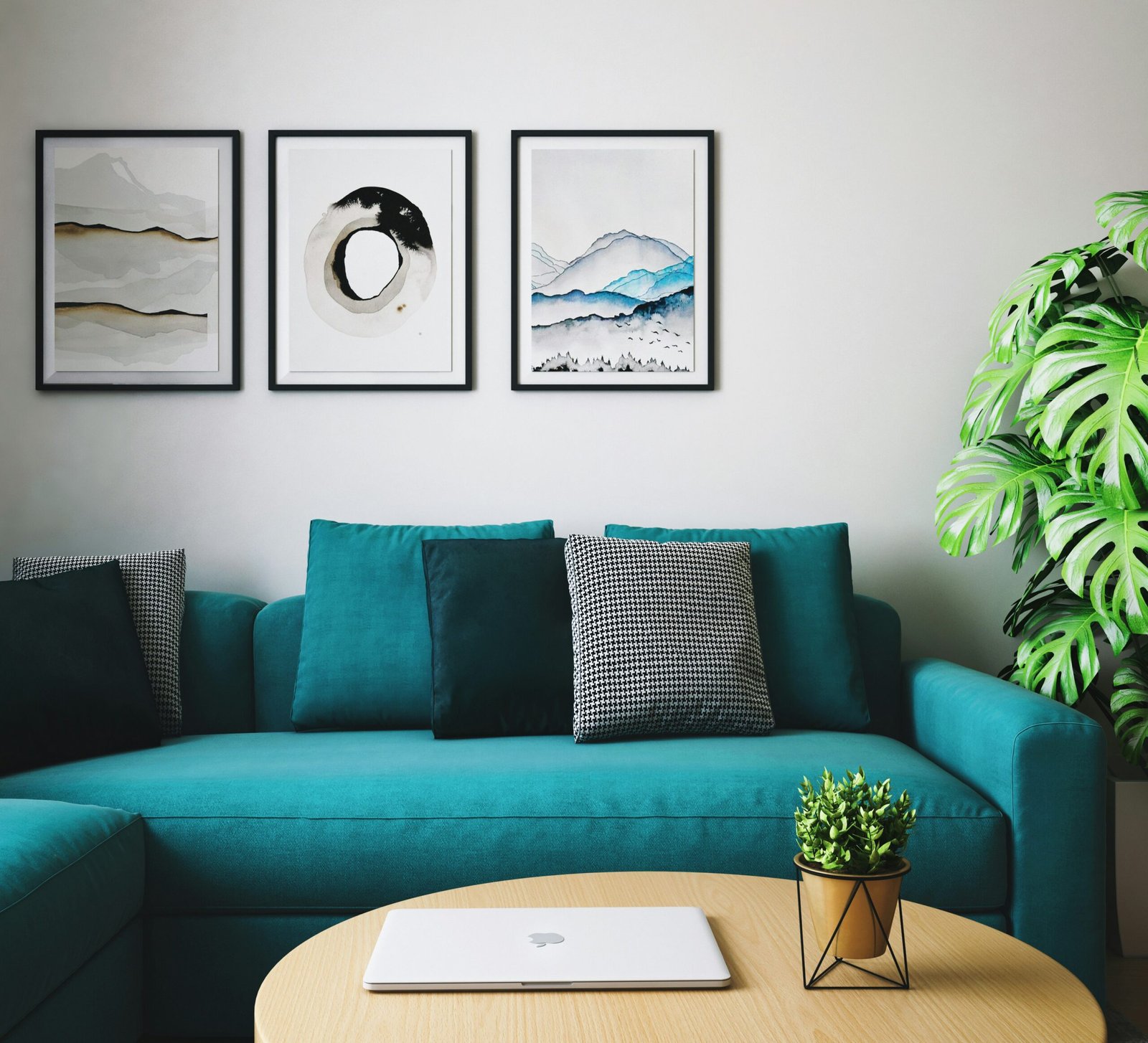
Many AI prints are specifically designed to add calm, beauty, or atmosphere to a space. These aren’t cold, analytical images—they’re cozy, contemplative, moody, bold, colorful. They tap into the psychology of color and composition just as any artist would, which is why they feel at home on your walls. And as these tools improve, the textures, lighting, and subtlety of AI art continue to blur the line between digital generation and handcrafted design.
In the end, AI-generated art feels “human” not because it imitates humans, but because it’s shaped by human emotion—our preferences, our choices, our need for meaning. It doesn’t replace the artist. It simply offers a new tool for expressing what we’ve always sought through visual storytelling: connection.
Discover more blogs